
TMJ Treatment—Colleyville, TX
Improve Jaw Mobility and Alleviate TMJ Pain
Your temporomandibular joints (TMJ) are the joints which connect your jaw to your skull bone, allowing you to open your mouth to speak, eat, and smile. If these delicate joints become damaged or stressed, it can cause stiffness, pain, and limited mobility. If you are experiencing pain in one or both of your temporomandibular joints, contact our Colleyville team right away. We’re proud to offer TMJ treatment options that can help alleviate pain and repair the damage from this condition.
Why Choose the DFW Dental Implant Center TMJ Treatment?
- Variety of treatment options available
- Reduced TMJ Pain & Discomfort
- Experienced Team of Dental Experts
What is TMJ Disorder?

Temporomandibular joint dysfunction is a condition affecting the temporomandibular joints, muscles, and connective tissues surrounding the jaw. These all work together to help you open and close your mouth to chew food, speak, laugh, and even sneeze. The temporomandibular joints connect your mandible (the lower jaw) to the maxilla (the upper jaw). However, when they become overworked due to issues like bite problems, past oral trauma, or bruxism (teeth grinding) and sustain additional tension or force, this can cause chronic pain and discomfort.
Symptoms of TMJ Disorder
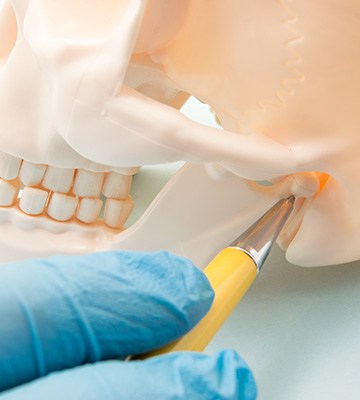
There are several symptoms that could indicate a TMJ disorder that you may experience. These include:
- Jaw pain and tenderness
- Lockjaw
- Clicking and popping sounds when you open and close your mouth
- Earaches or ringing in the ears (tinnitus)
- Neck and back pain
- Difficulty or pain while chewing
- Pain behind the eyes
- Limited mouth movement
- Changes in bite
Types of TMJ Treatment

To determine the best type of treatment for your specific TMJ disorder symptoms, you’ll first need to be seen by your dentist for a diagnostic examination. This may include X-rays or other imaging of your mouth and jaw joints, as well as a physical evaluation. At this time, your dentist will discuss each of your treatment options and help you decide which solution is best for you based on your unique needs. There are many reasons you may develop TMJ disorder, and your treatment will vary depending on these factors.
Occlusal Splint
Occlusal splints are oral appliances designed to protect your teeth from grinding, which can worsen your TMJ disorder symptoms. They work by helping to shift the jaw into a slightly forward position, allowing the joints to rest comfortably and providing long-term relief from tenderness and chronic pain.
Equilibration/Occlusal Adjustment
One of the more common causes of TMJ disorders are bite problems, which can sometimes occur if dental work isn’t properly cemented in your mouth. Occlusal adjustment involves calculating your bite and filing down certain restorations or fillings that may be causing uneven bite force. This can help your facial muscles and connective tissue relax, alleviating pain.
TMJ Treatment FAQs
Can TMJ be cured permanently?
Some patients experience temporary aches resulting from unusual jaw clenching, such as during periods of heightened stress, and might notice that their symptoms fade when their situation improves. However, you might require professional treatment if the associated symptoms interrupt your daily life or routines.
There are several potential procedures that can be used to address TMJ, such as BOTOX injections and TENS machines, which can provide temporary relief. Meanwhile, our dedicated providers offer more permanent solutions, such as occlusal splints and adjustments/equilibration, to provide longer-term relief for jaw tension, misalignments, and other TMJ concerns.
Is TMJ treatment safe?
It’s natural to have questions about a potential dental service before proceeding, and TMJ treatments are no exception. For example, many patients want to know whether these options are safe.
Generally speaking, these services are considered safe when they’re administered by a qualified provider, like one of our experts in Colleyville. Dr. Branberg and Dr. Cancemi have completed extensive advanced educational requirements and undergone ongoing educational trainings to offer a variety of restorative, cosmetic, and surgical procedures, and can safely address your TMJ-related aches and issues.
How long does it take for a TMJ splint to work?
An occlusal splint is a custom-fitted oral appliance that is designed to keep your jaw in its proper alignment while you sleep at night. Although you might notice changes in your symptoms relatively quickly, it’s more common for them to gradually dissipate as your mouth grows accustomed to the new, healthier positioning.
For example, you might notice marked improvements in as few as six weeks, though it might be closer to six months before your TMJ is completely resolved. With that said, the time it takes can vary significantly based on your unique circumstances.
How long does occlusal equilibration take for TMJ?
If your TMJ symptoms were caused by a dental or bite misalignment, our team can reduce their impact by making minor changes to the biting surface of your enamel to ensure that your arches come together correctly when you bite down. Treatment timelines can vary from person to person because the adjustments are as unique and individualized as your teeth are.
For instance, we can carefully thin a small section of enamel to remove points of contact in your enamel that prevent your jaw from settling into its natural, relaxed position when your mouth is closed. Some patients notice improvements after a single adjustment, while others might require two or three before finding relief.