
Gum Disease Treatment – Colleyville, TX
Treatment Options to Halt the Progression of Gum Disease
Gingivitis is the earliest stage of gum disease and occurs when plaque and bacteria penetrate your connective tissues and trigger an infection. Unfortunately, this often develops to more advanced stages that require professional intervention.
Our dedicated prosthodontist in Colleyville is committed to improving your oral health and offers various treatment options to halt the progression of gum disease. Continue reading to learn more about the specific services we provide, and please feel free to contact us to schedule an appointment.
Why Choose The DFW Dental Implant Center for Gum Disease Treatment?
- Prosthodontist With 15 Years of Experience
- Multiple Options for Sedation Available
- Flexible Financing Available
What is Gum Disease?
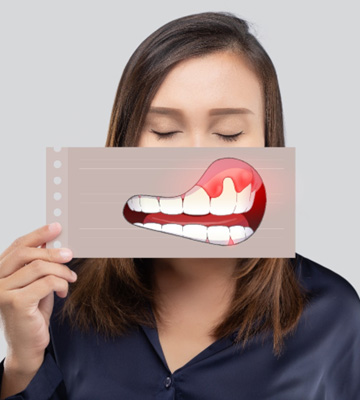
Periodontal disease, or gum disease, is the result of a bacterial infection that directly impacts your connective tissues and the bone structure underneath. Sources estimate that approximately 47% of all American adults aged 30 or older have developed some form of this condition, making it an incredibly common concern.
Gingivitis is the earliest stage, and can sometimes be reversed by improving your twice-daily at-home dental hygiene routine. But because the early indicators are easy to miss, it’s often allowed to reach a more advanced stage known as periodontitis. Once it reaches this point, the disease can often be managed, but not cured.
Symptoms of Gum Disease
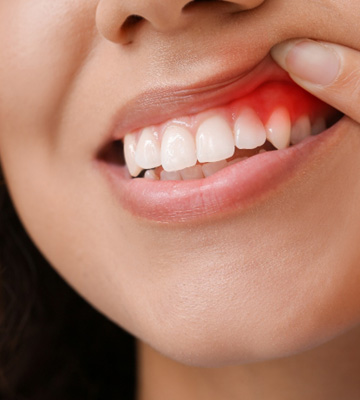
Gum disease often progresses because many patients don’t realize they have an issue until it’s too late. Understanding the signs can help you seek treatment before your condition reaches more advanced stages.
Symptoms of gingivitis include:
- Red or swollen connective tissues.
- Halitosis, or chronic bad breath.
- Bleeding when you brush or floss.
- Tenderness or sensitivity.
- Gum recession, in which the tissues pull away from your enamel, which exposes more of the roots of your teeth.
Periodontitis often presents with:
- Sensitivity as a result of gum recession.
- Pain when biting or chewing.
- Destabilized permanent teeth.
- Tooth loss.
- A change in your bite alignment.
- Ill-fitting restorations, such as dentures.
How Do We Treat Gum Disease?
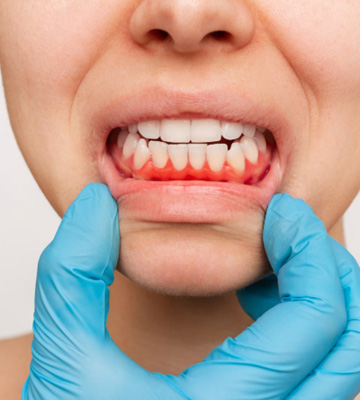
Once gum disease reaches a certain point, professional treatment is the only way to halt its progress and encourage your tender tissues to regrow. However, before proceeding, you must schedule a consultation with our team so that we can examine your condition and devise an appropriate treatment plan to meet your unique needs.
Then, we might recommend one or more of the following options based on our findings:
Scaling & Root Planing
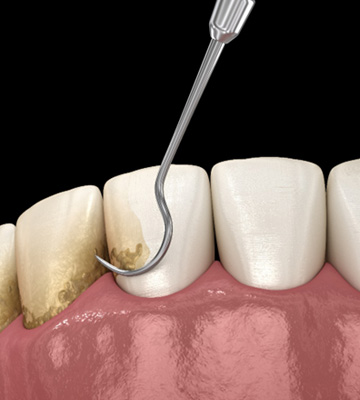
Gum disease is an insidious menace that starts out small as inflammation called gingivitis, but it will eventually develop into the destructive stage of periodontitis if left untreated. Thankfully, the skilled team at the DFW Dental Implant Center can remove infectious material and help the teeth reintegrate with the gum tissue with an effective treatment called scaling and root planing. Here’s a quick look at how this process works from our friendly staff in Colleyville.
Do You Need Scaling & Root Planing?

Gum disease can usually be reversed with improved oral hygiene if it is caught while still in its early stage called gingivitis, but scaling and root planing is often the best solution if it has reached the severe stage called periodontitis. You may need this treatment if you notice symptoms like:
- Gums that bleed while brushing or flossing
- Gum recession
- Persistent bad breath (halitosis)
- Visible accumulations of plaque and tartar
- Red, swollen, or puffy gums
- Loose permanent teeth
The Process of Scaling & Root Planing

This process typically requires two visits. During your first visit, our team will use special dental instruments to carefully remove plaque and bacteria from your teeth and gums. We’ll reach as far down into the pockets as we can to prevent germs from regrowing. Then, we’ll need to give these tissues some time to recover before completing the next step, so you’ll probably be scheduled to undergo the next stage of the process during a second appointment.
At your second appointment, our team will smooth the surface of your teeth to remove any hardened deposits of bacteria while preventing additional ones from forming. This also encourages the tissues to reattach to your enamel.
Aftercare Tips for Scaling & Root Planing

Scaling and root planing can be an intensive process, so you may need several weeks for your teeth and gums to fully recover. During this time, you may notice increased dental sensitivity and possibly discomfort while your oral tissues heal. To keep this process smooth and complication-free, we’ll provide you with detailed aftercare instructions that tell you exactly what to do to stay comfortable. These will probably include:
- Rinsing your gums with warm saltwater after eating to ease irritation, loosen food debris, and kill harmful bacteria. To make saltwater, mix a quarter teaspoon of salt into eight ounces of water.
- Be careful when cleaning your teeth after treatment. Be sure to gently brush your teeth with a soft-bristled brush using short, circular strokes to avoid unnecessary stress.
- Avoid foods and beverages that are hot, spicy, acidic, chewy, crunchy, or extremely sweet while recovering. Instead, stick to a soft, mild diet for at least the first 48 hours.
- Abstain from tobacco and alcohol use.
- Get plenty of rest. It’s best to take a break from intense physical activity for several days after the procedure.
Antibiotic Treatment

Our team can prescribe antibiotics in pill form for you to take that can help kill the unhealthy bacteria causing your condition. In many cases, medication alone is insufficient to improve your condition, but it can be helpful when combined with other treatment options.
Chao Pinhole Technique
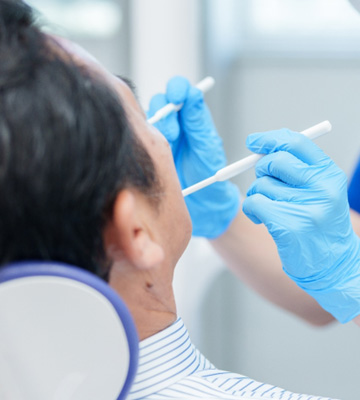
This service is intended to help your gums regrow to reduce the risk of sensitivity, decay, or other concerns that can result from overly exposed enamel. It’s considered less invasive than a traditional gum graft because it doesn’t require any incisions or sutures. Instead, our team will make tiny holes in your connective tissues. This allows us to use specialized instruments to gently loosen and reposition them to better cover the roots of your teeth.